The world is drowning in digital content. Every platform, every scroll, every second—more information, more noise, more things competing for your attention. The old measures of intelligence—who has memorised the most, who speaks the loudest, who finished the book first—no longer mean much here.
Artificial intelligence has fundamentally transformed creation. AI can design interfaces, write stories, compose music and generate code at unprecedented scale and speed. The barriers that once made creativity labour-intensive have largely disappeared—what required years of training can now be achieved in minutes with the right prompt.
This democratisation brings both opportunities and challenges. The same technology that enables anyone to become a creator floods the market with an enormous volume of content. Every day, millions of AI-generated articles, images, videos and applications enter the digital ecosystem. The ease of creation has led to exponential growth in output and produced a paradox: the more our ability to create grows, the more important our ability to find meaning in this abundance becomes.
“In a world of scarcity, we value tools. In a world of abundance, we value taste.” Anu Atluru, Taste Is Eating Silicon Valley
The challenge has shifted from scarcity to abundance. The question is no longer whether we can create something, but whether we should—and which creations deserve our attention and investment. This gives unprecedented value to selection and discernment. The ability to navigate endless possibilities and recognise what truly matters—“taste”—has become perhaps the most important skill in our AI-enhanced future.
Human judgement at the centre
Understanding AI’s limitations reveals why human taste is becoming so valuable. Today’s AI systems operate as pattern-recognition machines: they excel at analysing data and generating combinations based on learned patterns. They are powerful tools for execution, but lack the ability to independently judge value and meaning. Put simply, machines lack human will—that drive and impulse to do something.
AI creates by reflecting what has already existed, drawing on training data that represents past human decisions. This makes it excellent at producing familiar, professionally executed content, but limits true originality. It can refine existing styles, but cannot judge when those styles should evolve or be abandoned.
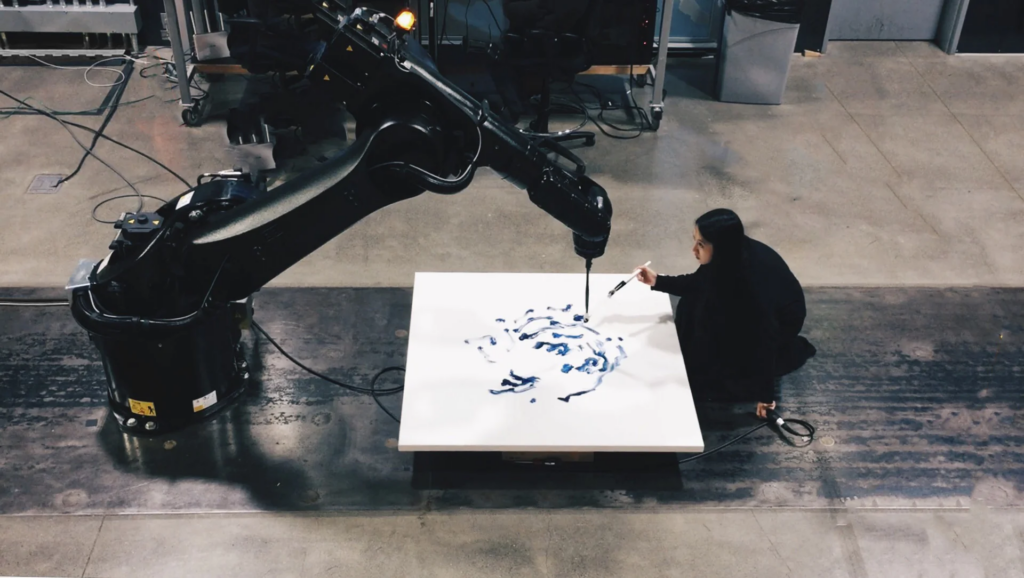
AI is a mirror—it reflects accurately but provides no direction. Humans must be the compass that points towards the chosen goal. This creates enormous value for people who can provide clear direction and judgement while using AI’s execution capabilities.
But what is taste, really?
Taste is often considered superficial or subjective. Yet at its core, it is a form of literacy—a way of reading the world. Good taste is not about being right. It is about sensitivity. To rhythm, proportion and atmosphere. Knowing when something is wrong, even if you cannot fully explain why.
Taste is not simply an opinion. It is a skill built through exposure, study, critical thinking and life experience. It is cultural awareness, emotional intelligence, historical consciousness and sensitivity to quality.
Taste is responsibility. It is not only what you like. It is what you allow. Taste is how you protect your mental environment. Taste is how you organise your inner world. What you let in. What you keep out.
Good taste is a deep structure. It is the thread running through a person’s life. You see it in the furnishings of their home, the rhythm of their speech, how they treat people and the books on their shelves.
Taste means coherence. You can change your mind. Explore new spaces. But your values remain intact. Your centre holds. It is often confused with personal preference, yet it is more than that—a trained instinct. But how does taste develop, and how is this instinct trained?
Developing taste
Designers should study outstanding design, writers should read great literature, and strategists should analyse successful campaigns. Identify respected professionals in your field, discover whom they admire and build a curated list of people who set trends. Surround yourself with their work—study their designs, use their products, read their writing. Learning from the best accelerates your own development.
“Ultimately, it comes down to taste. It comes down to trying to expose yourself to the best things that humans have done, and then try to bring those things into what you’re doing.” Steve Jobs, Apple
Do not label a piece of work good or bad on intuition alone. Instead, consider why something affects you. If you are a designer, do more than use applications—analyse why certain interactions feel satisfying. If you are a filmmaker, consider why other directors made particular choices. Move beyond surface-level liking towards deep curiosity about what makes something exceptional. This analytical approach develops the pattern recognition essential to refined taste.
Practise your craft constantly. Designers should design; writers should write. Creating turns you from a judge into someone who shapes taste. Seek criticism from knowledgeable sources—good feedback accelerates development more than trial and error alone. Your early work will probably fall short of your standards, but this gap between your taste and your skills is actually positive. It means your judgement is already ahead of your execution. This discomfort is temporary and necessary. Do not give up, and your skills will eventually catch up with your taste.
The future for innovation leaders
As AI’s capabilities expand, the value of inherently human qualities is likely to grow. The ability to provide direction, meaning and selection in an environment of endless possibilities becomes more valuable as it becomes rarer.
Success will come to those who combine AI’s generative capabilities with refined human judgement about purpose, quality and meaning. They will bridge human needs and AI’s capabilities, translating complex cultural requirements into actionable guidance.
This places an enormous responsibility on those who cultivate taste and on innovation leaders. Their decisions shape not only commercial results but also cultural development and public discourse. In a world where machines can create anything, those who decide what should be created have unprecedented influence over human culture.
The most valuable skill may be the ability to create, but the wisdom to know what is worth creating—and the taste to make that judgement well.